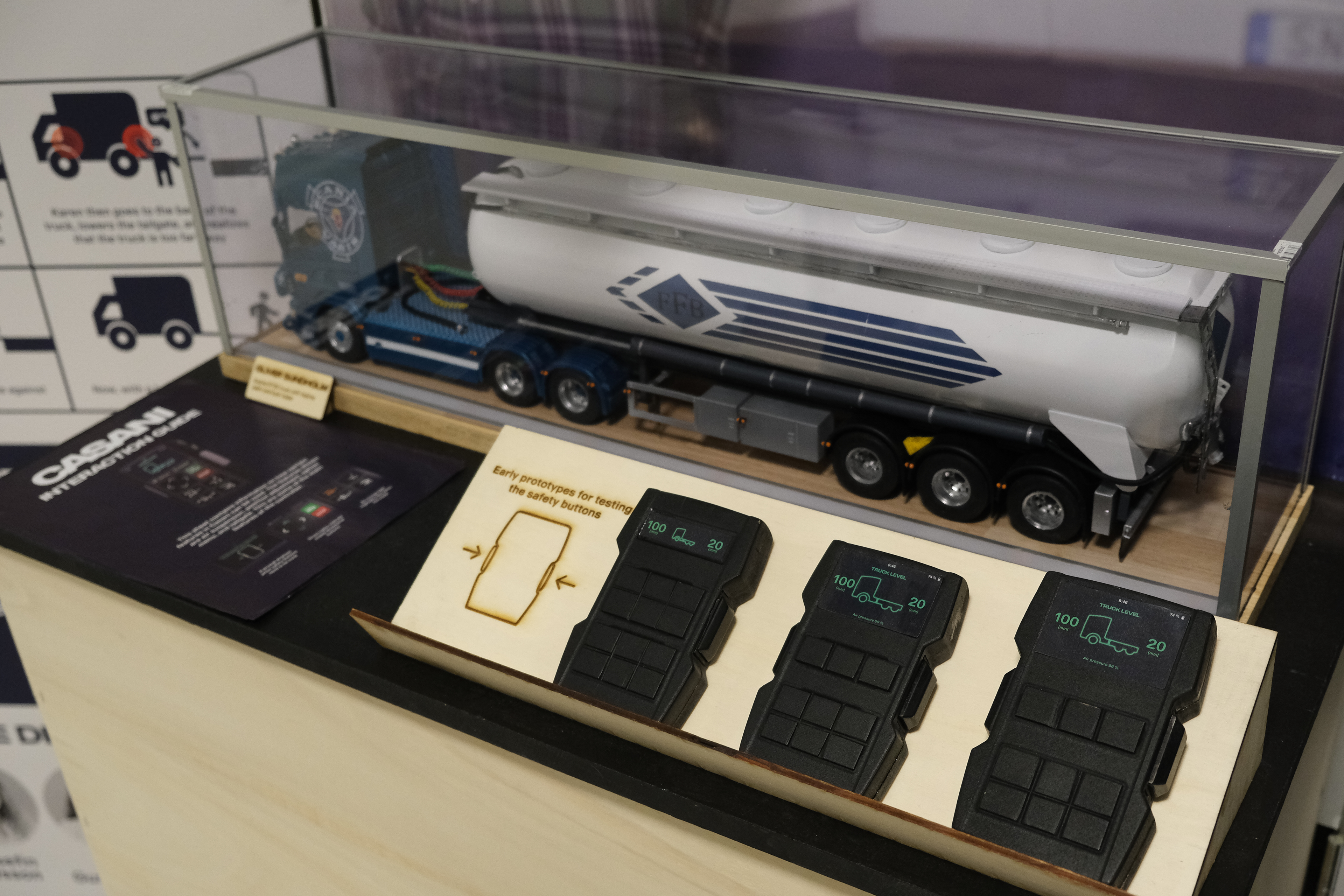

This project was conducted in collaboration with Scania as part of the Advanced Product Design course (D7006A). The aim was to explore truck drivers’ everyday work context and to design a handheld control device for use during stationary work — deliberately not a mobile phone application.
The solution was required to be firmly grounded in driver needs and aligned with Scania’s brand values of premium quality, innovation, and modularity.
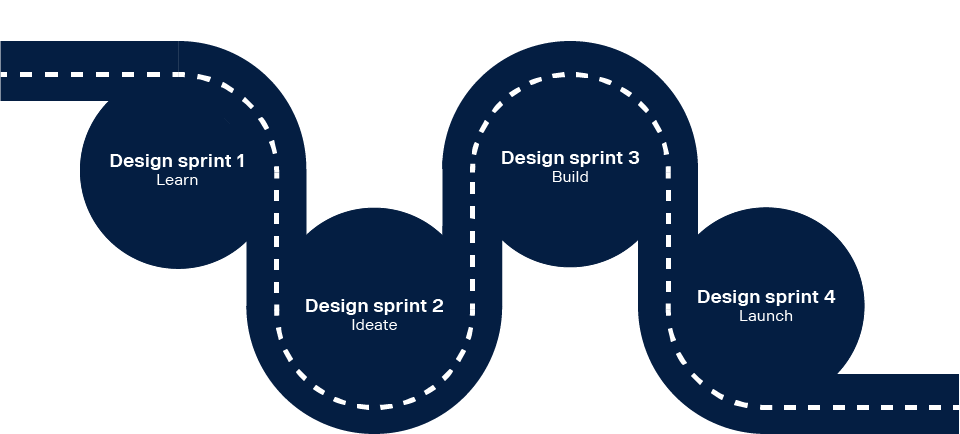
The project spanned four months and followed a design sprint methodology, including literature studies, product and user research, ideation, prototyping, testing, and final presentation. By applying a design thinking process in combination with future forecasting and benchmarking, the outcome is a concept that addresses current driver needs while remaining relevant in a future-oriented trucking context.
Challenges
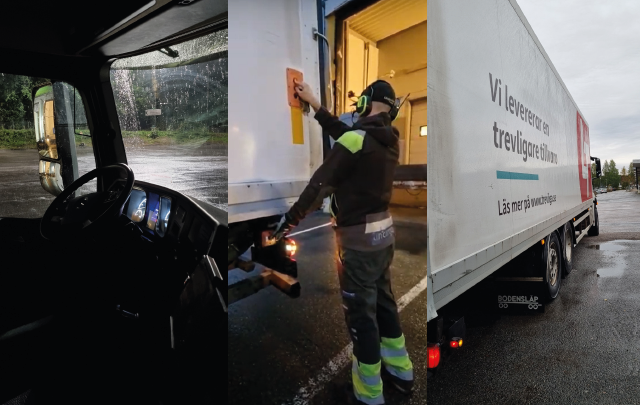
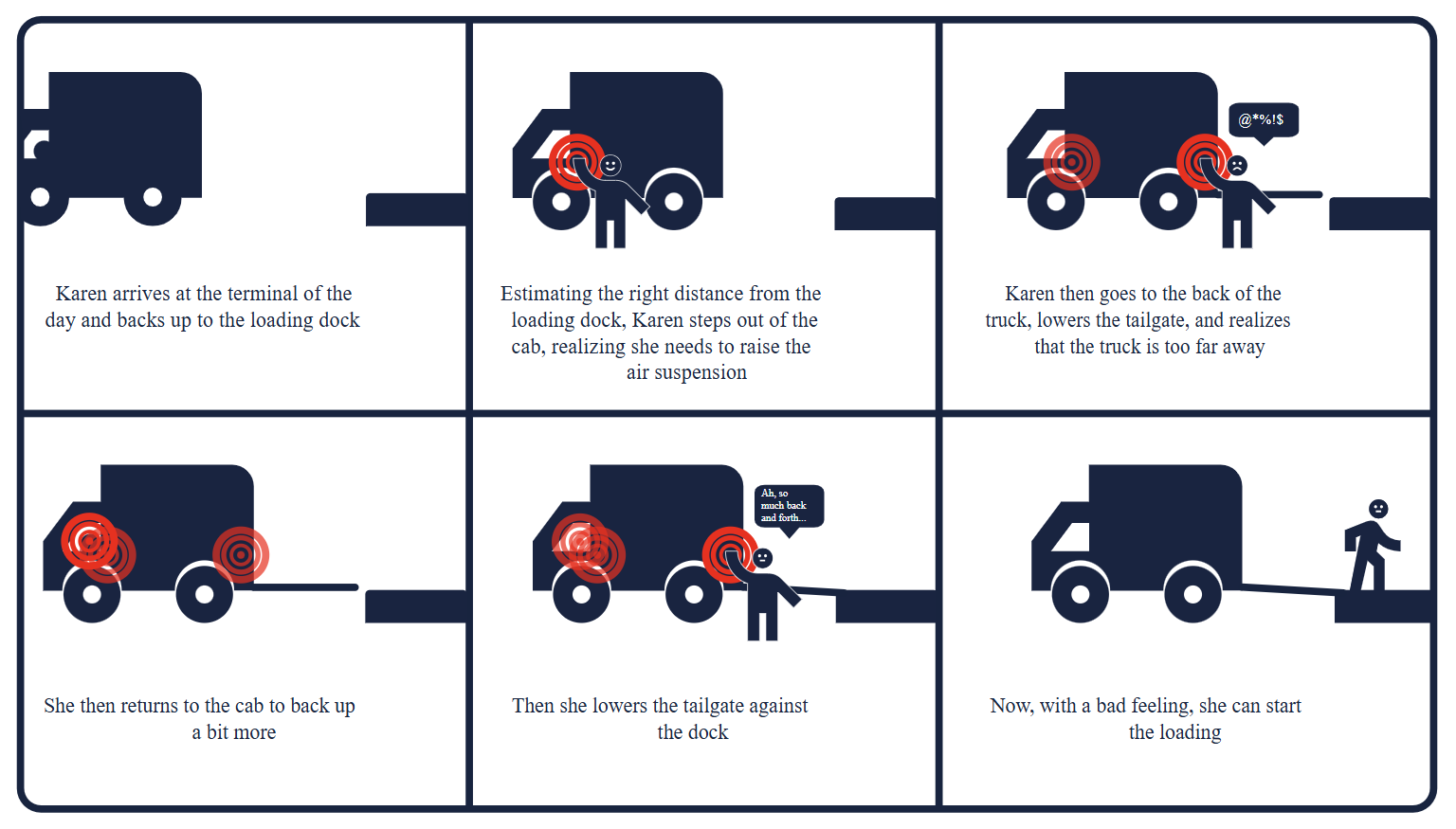
Truck drivers regularly carry out tasks outside the cab, such as adjusting air suspension or operating tailgates. Even minor position adjustments can become disproportionately time-consuming, as drivers are forced to repeatedly climb in and out of the cab to make small corrections. This fragmented workflow increases physical strain, disrupts focus, and introduces avoidable safety risks.
As vehicle functions become increasingly digitalised and consolidated into screen-based interfaces, drivers face higher cognitive load and reduced situational awareness—particularly in demanding, real-world environments. The design challenge was therefore to create an interaction solution that:
- Minimizes unnecessary movement and time loss
- Supports safe, deliberate interaction in physically demanding situations
- Enables intuitive, eyes-free use without visual overload
- Remains accessible to drivers with varying levels of experience and attitudes towards technology
- Minimizes unnecessary movement and time loss
- Supports safe, deliberate interaction in physically demanding situations
- Enables intuitive, eyes-free use without visual overload
- Remains accessible to drivers with varying levels of experience and attitudes towards technology
At its core, the challenge centred on rethinking the number and placement of interaction points, transforming them from a source of friction into a coherent, driver-centred system that supports real working conditions.
Key insights
1. Drivers rely heavily on tactile interaction
Physical buttons allow drivers to operate functions without looking, which is crucial in safety-critical environments. Tactile feedback supports muscle memory and reduces visual and cognitive load.
Physical buttons allow drivers to operate functions without looking, which is crucial in safety-critical environments. Tactile feedback supports muscle memory and reduces visual and cognitive load.
2. Small adjustments cause disproportionate disruption
Minor position changes or air suspension adjustments often require multiple trips between the cab and the rear of the truck. These interruptions are time-consuming and can introduce stress and safety risks.
Minor position changes or air suspension adjustments often require multiple trips between the cab and the rear of the truck. These interruptions are time-consuming and can introduce stress and safety risks.
3. Safety is valued over speed
Drivers are generally positive toward safety mechanisms, as long as they are predictable, clearly communicated, and not perceived as unnecessary obstacles.
Drivers are generally positive toward safety mechanisms, as long as they are predictable, clearly communicated, and not perceived as unnecessary obstacles.
4. One solution must fit many users
Truck drivers differ widely in experience, habits, and openness to new technology. A successful solution must feel intuitive to both experienced drivers and newcomers.
Truck drivers differ widely in experience, habits, and openness to new technology. A successful solution must feel intuitive to both experienced drivers and newcomers.
These insights formed the foundation for all subsequent design decisions.
Design direction
Based on the research, we defined a clear design direction to guide concept development:
- Minimize cognitive and physical load
- Support eyes-free interaction
- Provide clear and immediate feedback
- Prioritize safety without reducing efficiency
- Ensure intuitive use across different user profiles
- Support eyes-free interaction
- Provide clear and immediate feedback
- Prioritize safety without reducing efficiency
- Ensure intuitive use across different user profiles
These principles helped us evaluate ideas and stay focused throughout the process.
Concept development
During the ideation phase, we explored multiple directions through sketches, workshops, and rapid prototyping. Early concepts ranged from highly modular systems to more integrated handheld controllers.
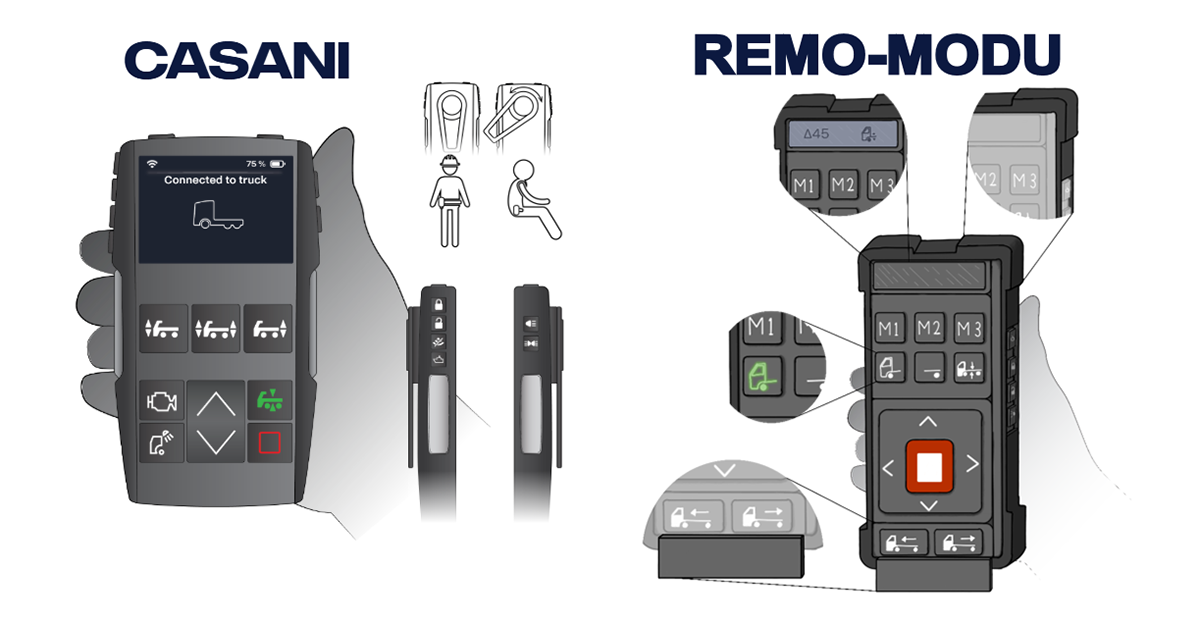
Two main concepts were developed and evaluated in parallel. To move forward, we validated both concepts through a user survey and a weighted comparison matrix, considering criteria such as safety, usability, feasibility, and user preference.
Although both concepts were well received, we ultimately chose to continue with the concept that offered the best balance between functionality, clarity, and feasibility within the project scope.
Final concept: Casani
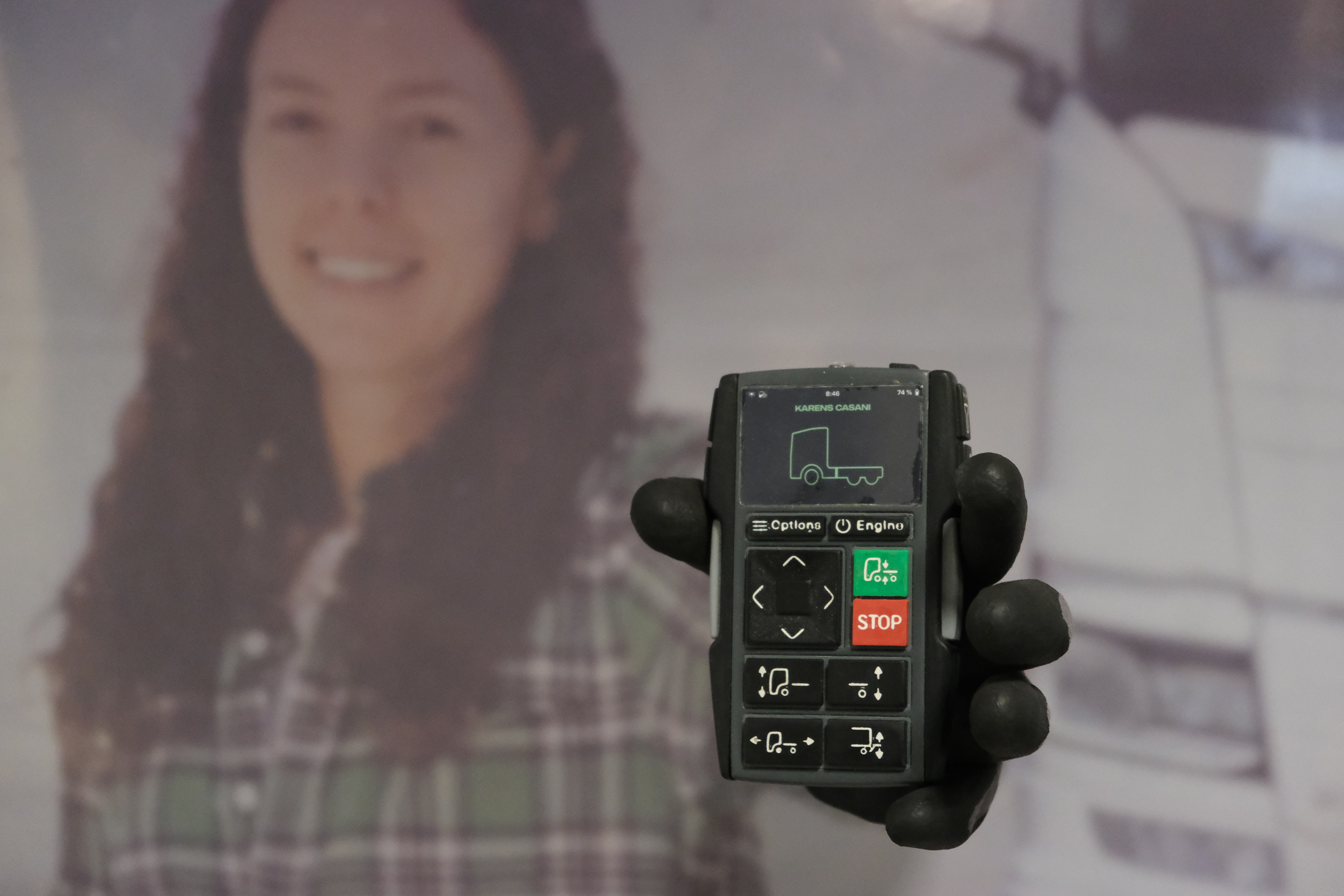
Casani is a handheld remote controller designed to support truck drivers during stationary work. It consolidates essential vehicle functions into a single, intuitive interaction point.
Core features
- Physical buttons for critical functions
- Clear visual and tactile feedback
- Dedicated safety buttons on the side for high-risk actions
- Logical grouping of functions based on use context
- Wireless operation with controlled range limitations for safety
- Clear visual and tactile feedback
- Dedicated safety buttons on the side for high-risk actions
- Logical grouping of functions based on use context
- Wireless operation with controlled range limitations for safety
Certain functions, such as small position adjustments or tailgate control, require deliberate interaction through safety buttons. This reduces the risk of accidental activation while maintaining efficiency.
The interface uses color-coded feedback to communicate system state:
- Active modes are highlighted
- Available actions are clearly indicated
- Safety prompts guide the user when required
- Active modes are highlighted
- Available actions are clearly indicated
- Safety prompts guide the user when required

Prototyping & testing
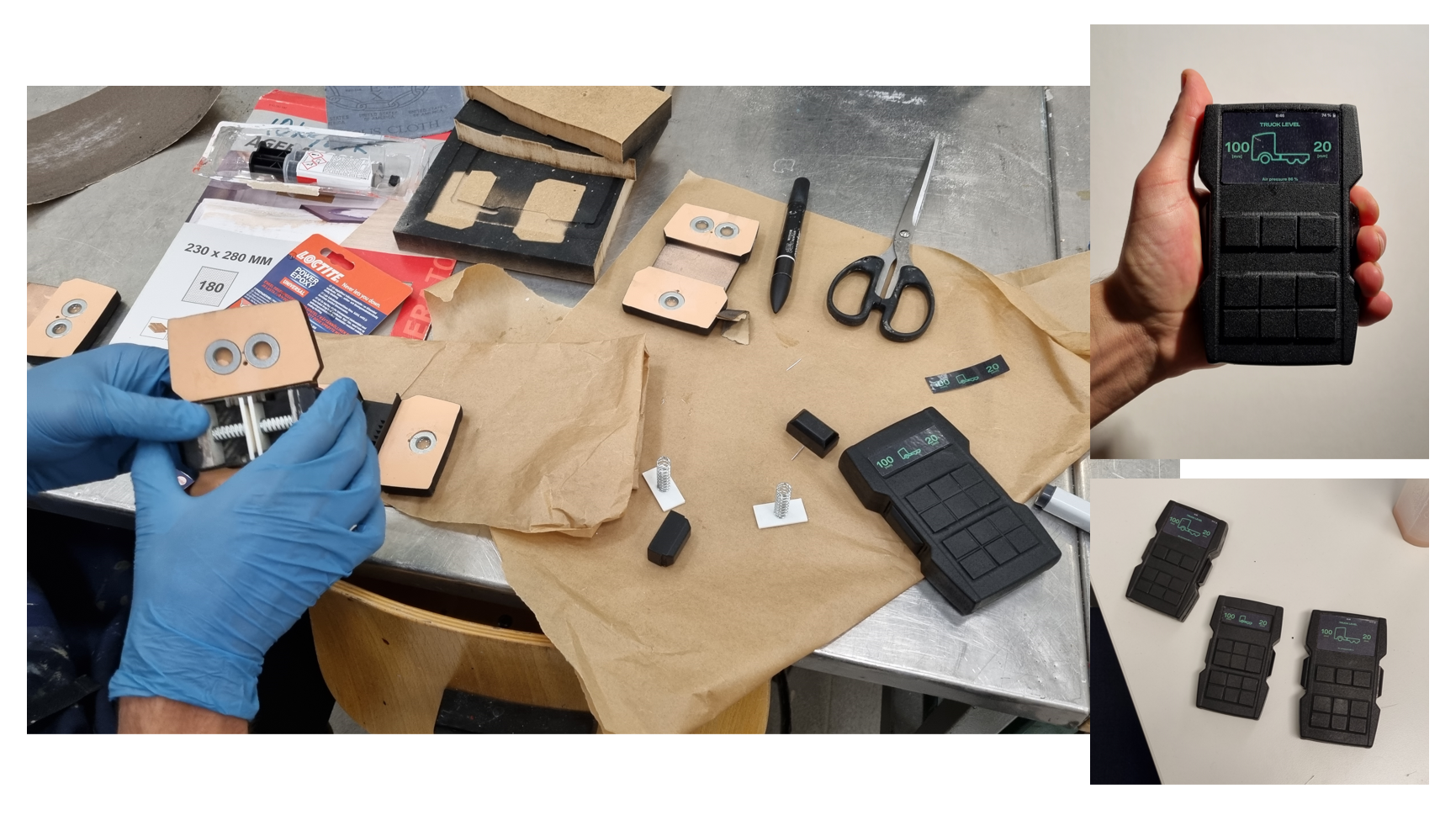
To evaluate the concept, we built both digital and physical prototypes.
- A digital prototype (Figma) was used to test interface flow and task efficiency
- A physical prototype was built to evaluate size, ergonomics, and safety button interaction
- A digital prototype (Figma) was used to test interface flow and task efficiency
- A physical prototype was built to evaluate size, ergonomics, and safety button interaction
User testing was conducted with truck drivers in their work environment. Feedback was collected through task-based testing, discussion, and usability evaluation.
Key findings
- The overall concept was perceived as intuitive and relevant
- Safety buttons were appreciated when clearly motivated
- A smaller, slimmer form factor was preferred
- Clear feedback increased user confidence
- Safety buttons were appreciated when clearly motivated
- A smaller, slimmer form factor was preferred
- Clear feedback increased user confidence
These insights were used to refine button placement, interaction logic, and visual feedback.
Outcome
The final Casani concept demonstrates how physical interaction, clear feedback, and safety-focused design can coexist in a modern, digital truck environment. By reducing unnecessary movement and simplifying interaction, the concept supports safer and more efficient stationary work.
The project concluded with an exhibition and a presentation at Scania, where the concept and process were well received. Particular appreciation was shown for the depth of user research and the clear connection between insights and design decisions.